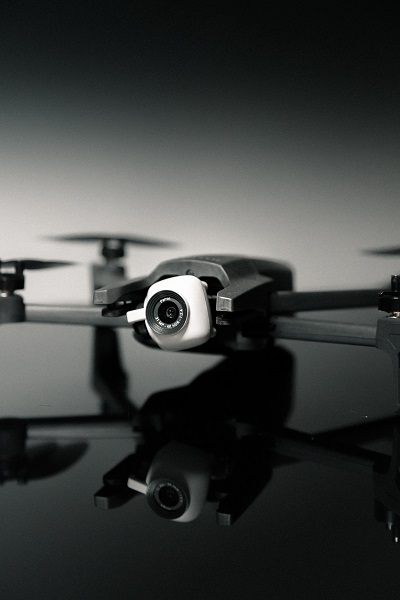
The Future of Delivery Drones: A Game-Changing Technology
Delivery drones have revolutionized the way goods are transported across the world. The concept of using unmanned aerial vehicles (UAVs) to deliver packages may have seemed far-fetched in the past, but it is now a reality. In recent years, many companies have invested in drone technology to improve their delivery services. In this article, we will explore the benefits of delivery drones and their potential impact on the future of logistics.
Benefits of Delivery Drones
One of the main advantages of using delivery drones is speed. Drones can deliver packages much faster than traditional delivery methods. For instance, Amazon’s Prime Air drone delivery service can deliver packages within 30 minutes. This is a significant improvement compared to traditional delivery services, which can take several hours or even days.
Another benefit of using delivery drones is efficiency. Drones can transport packages directly from the warehouse to the customer’s doorstep, without the need for intermediary stops. This reduces the delivery time and improves the overall customer experience.
Moreover, delivery drones are cost-effective. They require less infrastructure than traditional delivery methods, such as trucks and planes. This means that companies can save money on transportation costs and pass on the savings to their customers.
Potential Impact on the Future of Logistics
The rise of delivery drones has the potential to transform the logistics industry. In the future, we could see fewer delivery trucks on the roads, reducing traffic congestion and air pollution. This would also make delivery services more efficient, as drones can transport packages directly to their destination without the need for trucks to make multiple stops.
Furthermore, the use of delivery drones could lead to improved accessibility in remote or hard-to-reach areas. This would be particularly beneficial for people living in rural areas or regions affected by natural disasters. Drones could deliver essential supplies and medical equipment to these areas, improving the overall quality of life.
Challenges Facing Delivery Drones
Despite the potential benefits of delivery drones, there are also challenges that need to be addressed. One of the main challenges is safety. Drones flying in urban areas could pose a risk to pedestrians, buildings, and other aircraft. To address this, companies are developing technologies such as collision avoidance systems and geofencing to prevent drones from flying into restricted areas.
Another challenge is the limited range and payload capacity of delivery drones. Most drones have a range of around 15 miles and can carry packages weighing up to 5 pounds. This means that they are not suitable for delivering large or heavy packages over long distances.
Conclusion
Delivery drones are a game-changing technology that has the potential to revolutionize the logistics industry. They offer many benefits, including speed, efficiency, and cost-effectiveness. However, there are also challenges that need to be addressed, such as safety and limited range. As drone technology continues to improve, we can expect to see more companies investing in this technology to enhance their delivery services. Ultimately, delivery drones could change the way we think about transportation and make our lives easier and more convenient.