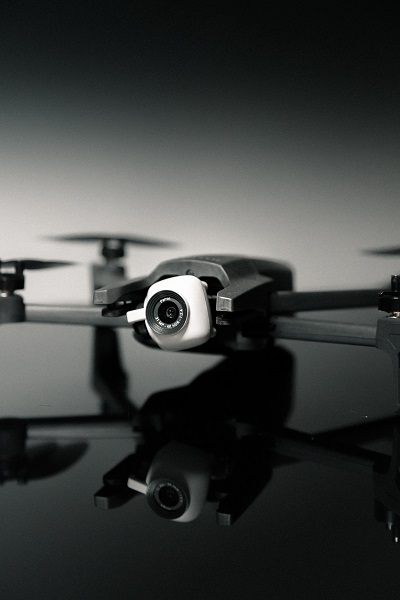
Drone Mapping Applications: Surveying and GIS
Drone technology has revolutionized the way we approach mapping, surveying, and GIS. With the ability to capture high-quality images from above, drones offer unparalleled advantages over traditional methods. In this article, we explore the many applications of drone mapping in surveying and GIS.
What is Surveying?
Surveying is the process of measuring and mapping the physical features of the earth. It is used in a wide range of industries, including construction, engineering, and environmental management. Surveyors use various tools and techniques to collect data, such as GPS, total stations, and aerial photography.
The Advantages of Drone Mapping
Drones have become an essential tool for surveying and mapping, thanks to their many advantages. Firstly, they can cover large areas quickly and easily, allowing for more efficient data collection. Drones can capture high-resolution images from above, providing a more detailed and accurate picture of the area being surveyed. Additionally, drones can access hard-to-reach areas, such as steep slopes or tall buildings, which can be difficult or dangerous for surveyors to access on foot.
GIS and Drone Mapping
Geographic Information Systems (GIS) is a powerful tool that allows us to visualize, analyze and interpret data. By combining drone mapping with GIS, we can create detailed maps and models that provide valuable insights into the environment. For example, we can use drone imagery to create 3D models of the terrain, which can be used to assess the impact of construction projects or natural disasters.
Drone mapping can also be used in environmental management, such as monitoring forest health or tracking changes in water levels. By using drones to capture images of the environment over time, we can identify patterns and trends that may indicate problems or opportunities for intervention.
The Future of Drone Mapping
As drone technology continues to evolve, we can expect to see even more applications of drone mapping in surveying and GIS. For example, drones equipped with LiDAR sensors can capture highly detailed 3D images of the environment, allowing us to create even more accurate maps and models.
Conclusion
Drone mapping has revolutionized the way we approach surveying and GIS, providing faster, more accurate, and more detailed data than ever before. By combining drone technology with GIS, we can create maps and models that provide valuable insights into the environment, helping us to make better decisions and manage our resources more effectively.
We hope that this article has provided you with valuable insights into the many applications of drone mapping in surveying and GIS. If you’re interested in learning more about how drone technology can benefit your organization, please contact us today.